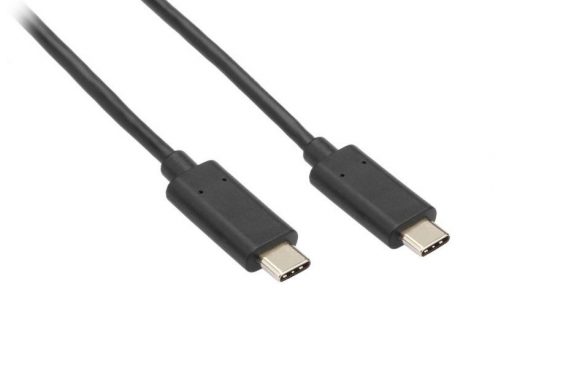
 The discrete USB 3.2 controllers that are capable of supporting the standard's new 20 Gb/s Type-C mode will be available this year. Since the discrete USB controllers are used mostly by high-performance systems, we are most likely going to see the first USB 3.2 chips to land on high-end motherboards first. If that is the case, we can see motherboard vendors showcasing off the products sometime in the second half of this year. Meanwhile, peripherals will likely lag a bit for compatibility testing and in this case, we might start seeing them in 2020. In terms of bandwidth, the USB 3.2 introduces the ability to use two high-speed USB Type-C Tx/Rx channels – the so-called x2 mode – to get 20 Gbps maximum throughput on a Type-C cable. The technology retains the USB 3.1 physical layer data rates and encoding techniques. As USB 3.2 hosts and devices roll out on the market, we will see USB 3.2 gen 1 branding (5Gbps SuperSpeed) USB 3.2 Gen 2 (10Gbps SuperSpeed+) USB 3.2 Gen2x2 (2x10Gbps SuperSpeed+) Meaning, while all future products will be 3.2, they won't necessarily support the higher 10Gbps and 20Gbps data rates. Source
Wednesday, 27 February 2019
USB 3.2 with 20Gbps speeds coming to high-end PCs later this year; USB 3.0 and USB 3.1 merged under new USB 3.2 branding
The discrete USB 3.2 controllers that are capable of supporting the standard's new 20 Gb/s Type-C mode will be available this year. Since the discrete USB controllers are used mostly by high-performance systems, we are most likely going to see the first USB 3.2 chips to land on high-end motherboards first. If that is the case, we can see motherboard vendors showcasing off the products sometime in the second half of this year. Meanwhile, peripherals will likely lag a bit for compatibility testing and in this case, we might start seeing them in 2020. In terms of bandwidth, the USB 3.2 introduces the ability to use two high-speed USB Type-C Tx/Rx channels – the so-called x2 mode – to get 20 Gbps maximum throughput on a Type-C cable. The technology retains the USB 3.1 physical layer data rates and encoding techniques. As USB 3.2 hosts and devices roll out on the market, we will see USB 3.2 gen 1 branding (5Gbps SuperSpeed) USB 3.2 Gen 2 (10Gbps SuperSpeed+) USB 3.2 Gen2x2 (2x10Gbps SuperSpeed+) Meaning, while all future products will be 3.2, they won't necessarily support the higher 10Gbps and 20Gbps data rates. Source


-
Yi technology, the company which is backed by Xiaomi recently launched products like Yi Home Camera 3, Yi Action Camera, Yi Home Security C...
-
Just Corseca has launched the ‘Spin Bunny,’ a portable speaker equipped with a microphone. This audio device goes beyond its compact size, ...
-
Telegram today has introduced a new feature; Telegram Passport a unified authorization method for services that require personal identifica...


