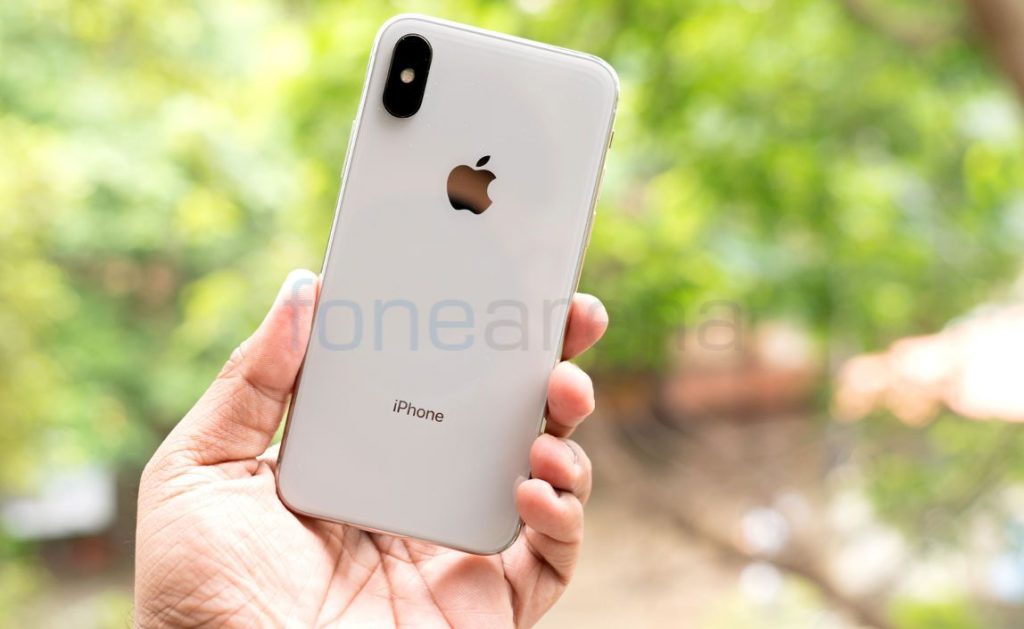
 According to Ming-Chi Kuo, contrary to some analysts' expectations, Apple is unlikely to integrate a time-of-flight (ToF) depth sensing system in 2019 iPhones. Reports regarding the rear-facing 3D sensing capabilities in 2019 iPhone lineup started surfacing last year. The ToF approach is entirely different from the current TrueDepth sensor system present on the front of the iPhone X. The TrueDepth relies on a structured-light technique that projects a pattern of 30,000 laser dots onto a user's face and measures the distortion to generate an accurate 3D image for authentication. In contrast, ToF calculates the time taken for the laser to bounce off surrounding objects to create a 3D image of the environment. In the latest research note, Kuo said that the company would not use a rear-side application of ToF technology in next year's smartphone lineup. Reasons for this being the distance and depth information provided by rear-side ToF is currently insufficient for creating the "revolutionary AR experience" that Apple is hoping for since it requires 5G connectivity. Furthermore, the addition of rear-side ToF would contribute very less to the iPhone's photo-taking capabilities, since the current setup is already capable of capturing or simulating enough distance/depth information to make photo-features like Portrait Mode a reality and this makes it ...
Wednesday, 12 September 2018
Apple’s 2019 iPhones might not feature Time-of-Flight 3D Sensor: Kuo
According to Ming-Chi Kuo, contrary to some analysts' expectations, Apple is unlikely to integrate a time-of-flight (ToF) depth sensing system in 2019 iPhones. Reports regarding the rear-facing 3D sensing capabilities in 2019 iPhone lineup started surfacing last year. The ToF approach is entirely different from the current TrueDepth sensor system present on the front of the iPhone X. The TrueDepth relies on a structured-light technique that projects a pattern of 30,000 laser dots onto a user's face and measures the distortion to generate an accurate 3D image for authentication. In contrast, ToF calculates the time taken for the laser to bounce off surrounding objects to create a 3D image of the environment. In the latest research note, Kuo said that the company would not use a rear-side application of ToF technology in next year's smartphone lineup. Reasons for this being the distance and depth information provided by rear-side ToF is currently insufficient for creating the "revolutionary AR experience" that Apple is hoping for since it requires 5G connectivity. Furthermore, the addition of rear-side ToF would contribute very less to the iPhone's photo-taking capabilities, since the current setup is already capable of capturing or simulating enough distance/depth information to make photo-features like Portrait Mode a reality and this makes it ...


-
Here are the social profile links that I have worked on for Backlinks https://docs.google.com/presentation/d/1gAvVQYafqO_jWsSIz3N95Sy3q5KAx...
-
Yi technology, the company which is backed by Xiaomi recently launched products like Yi Home Camera 3, Yi Action Camera, Yi Home Security C...
-
Realme launched the Realme 3 Pro with Snapdragon 710 processor, up to 6GB RAM, Dual rear cameras last week in India. The smartphone went on...

